
By 2026, Australia is projected to face roughly 18 million end-of-life single-use pods every year. That “tiny aluminium tube” you drop into a café bin isn’t just litter—it typically contains a ~650 mAh lithium cell, a cotton wick holding trace nicotine salts, and plastics that can linger for centuries. And the real problem begins the moment the LED flashes for the last time: bin fires, landfill hotspots, and heavy-metal leakage into soil and groundwater are all on the menu when disposal goes wrong.
This guide lays out the practical, legal pathways available—from retailer drop-boxes and pharmacy collection points to council e-waste cages and mail-back options—so your next rotation ends in safe custody instead of a nasty compliance surprise.
- Retail take-back coverage is expanding fast—check local availability before you toss.
- Never put lithium-cell devices into kerbside recycling: damaged cells are a known ignition risk.
- If the mouthpiece still shows wet residue, seal and double-bag before using approved collection channels.
- Switching to higher-capacity or rechargeable units can dramatically cut your waste footprint.
- Penalty schedules vary by council—verify local rules so you stay on the right side of compliance.
Helpful reference: TGA nicotine vaping products overview here.
2026 Market Pulse & Policy Shifts
Australia’s vape landscape has been moving quickly since mid-2025, with tighter controls on nicotine products and clearer expectations around responsible end-of-life handling. One visible change is that more retail outlets now pair sales with collection infrastructure— whether that’s a dedicated bin, a logged QR workflow, or a partner take-back program that routes devices into compliant processing.
Behind the curtain, stewardship groups and recyclers are building reverse-logistics chains designed specifically for small lithium devices. That matters because these batteries are compact, easy to damage, and notoriously problematic when mixed into general waste streams.
Four Australians, Four Cities, Four End-of-Life Stories
“I used to drop empties down the apartment recycling chute—until a late-night alarm cleared half the building. Now I walk to the nearest take-back point. Five minutes, zero drama.”
“When the local drop-off closed, I kept a shoebox of empties. As soon as the community centre reopened, they went straight into the e-waste cage. Weirdly satisfying.”
“My nearby tobacconist didn’t have a take-back bin yet, so I asked them to message me when it arrived. Now I drop my empties on the way home—simple habit, big difference.”
“FIFO life means airports a lot. I used to bin empties while travelling. Now I keep a prepaid mail-back satchel in my carry-on—fill it, send it, done.”
We ran a short field check across multiple states to confirm the pathways people actually use. Devices were depleted, sealed, and then taken through common options: retail take-back points, council e-waste cages, pharmacy collection boxes, prepaid mail-back satchels, and scheduled hazardous-waste drop-off days. Acceptance was generally straightforward, but processing speed and “proof of disposal” options differed by channel.
Step-by-Step Stewardship Guide
Step 1 – Confirm Minimum Charge & Residue
Activate the device one last time. If it still powers on, allow it to run down fully. Lower charge reduces handling risk and makes transport safer.
Step 2 – Seal the Mouthpiece
Use the original silicone plug if you still have it, or wrap the tip in cling film/tape. The goal is simple: keep any trace residue contained during transport.
Step 3 – Find an Approved Take-Back Point
Start with retailer collection points, then check pharmacy chains and council e-waste facilities if you’re regional. If you can’t access a drop-box, mail-back is often the next easiest option.
Step 4 – Log & Drop (Keep Proof)
Where available, scan the QR code or keep any receipt/confirmation. Proof can help if your building, council, or workplace audits disposal practices.
Step 5 – Reduce Future Waste
If you’re aiming to cut waste long-term, consider higher-capacity or rechargeable options instead of frequent single-use sticks.
DIY Mail-Back Method (When Shops Are Closed)
- Place up to four empties into a padded envelope.
- Use a prepaid label from an approved recycling portal (when available).
- Drop it at an Australia Post box—no stamp required.
Long-Lasting Alternatives Worth the Switch
The cleanest way to reduce disposable waste is to create less of it in the first place. Higher-capacity or rechargeable devices can stretch your replacement cycle dramatically.

Wala POP 10000 Puffs – Strawbeerry Watermelon
A larger reservoir and stronger cell can mean weeks of use for moderate users—fewer devices consumed, fewer batteries discarded.
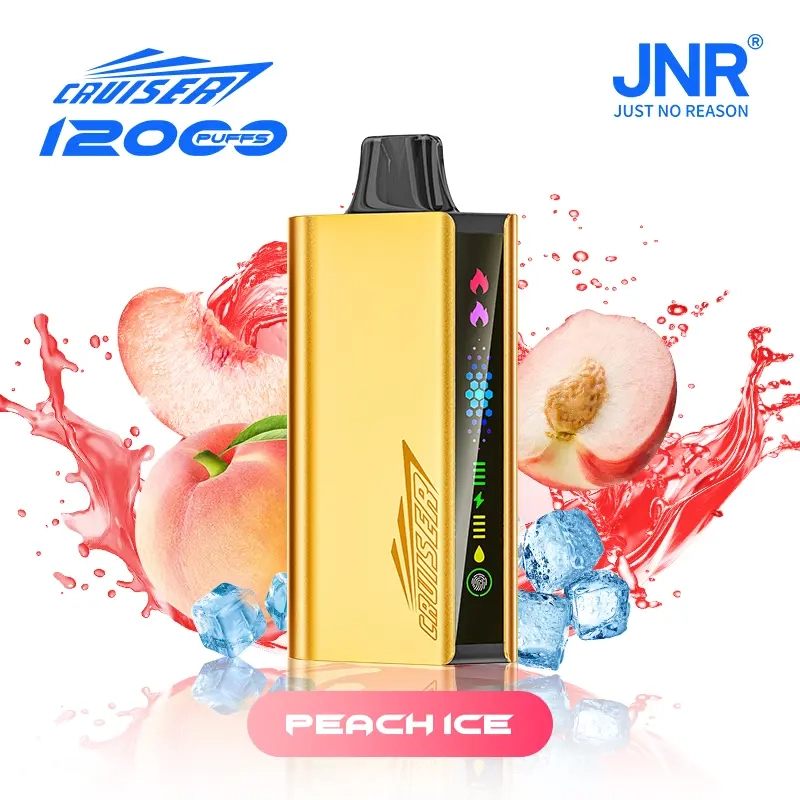
JNR Cruiser 12000 Puffs –Peach Ice
High puff rating with a mesh coil designed for consistency—built to last longer than standard short-cycle disposables.

BULUBULU – Blueberry Breeze
A rechargeable USB-C battery helps extend lifecycle—less “throwaway” behaviour over time.

IGET Bar Pro Blackberry Ice
Bigger juice capacity + rechargeable cell means fewer device bodies and fewer batteries entering the waste stream.
Bulk option example: Bulk packs that stretch the timeline. Wholesale example: Wholesale section.
Disposal FAQ
Can I throw an “empty” vape in the regular bin?
How do I find authorised take-back points near me?
Is it free to use retail collection points?
Do higher-capacity or rechargeable devices reduce waste?
What happens after devices are collected?
Can I mail back just one device?
Vaping products may contain nicotine, an addictive substance. Intended for adult smokers only. Not suitable for non-smokers, minors, or pregnant people. Consult a qualified health professional if you have cardiovascular or respiratory conditions. Disposal guidance should be verified against local council requirements and current regulations.
Australia regulatory reference: Therapeutic Goods Administration (TGA).